japan trade show
Sourcing at Japanese Trade Shows, With or Without Flying
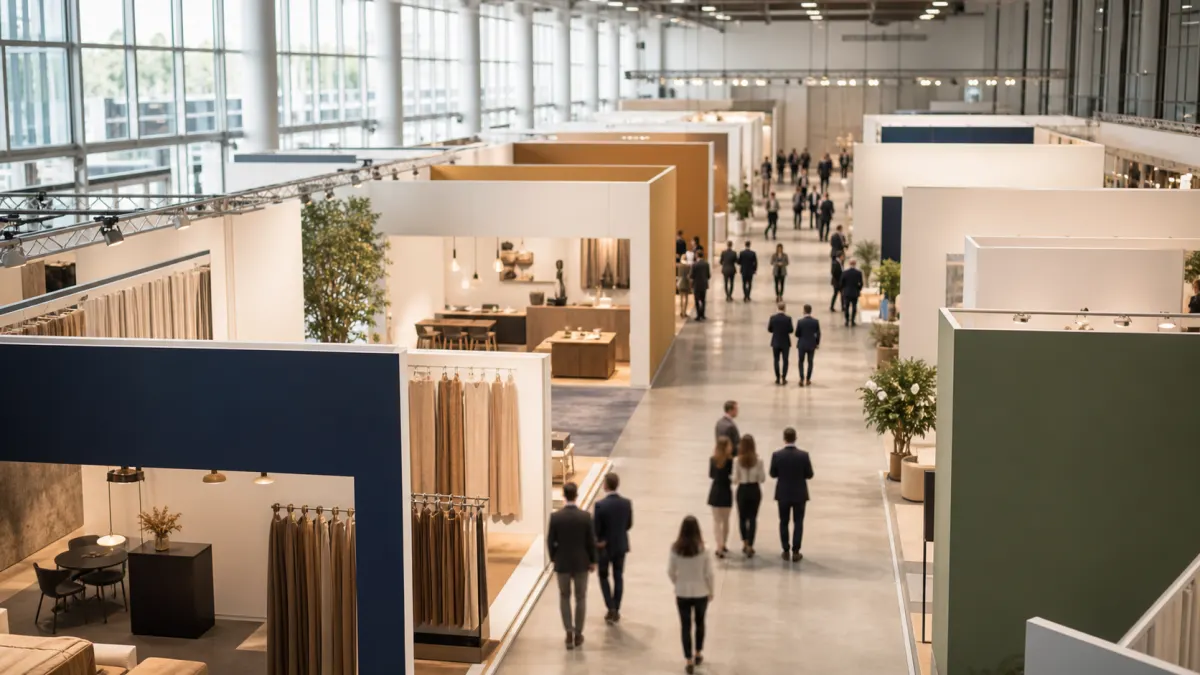
Trade shows are the highest-yield sourcing channel in Japan, and the reason is structural. Every other route requires you to solve the introduction problem: persuading a company that has never heard of you to reply to a stranger. At a trade show that problem is inverted. The exhibitor paid for a booth specifically to meet buyers they do not yet know, and for three days they want to talk to you.
The shows that matter, by category
| Show | Category | When | Note |
|---|---|---|---|
| FOODEX JAPAN | Food and beverage | March, Tokyo Big Sight | The largest food trade show in the region; the 2027 edition runs 9–12 March and the organisers report around ten thousand buyers from more than thirty countries |
| Beautyworld Japan | Beauty, cosmetics, wellness | May, Tokyo Big Sight | The 2027 edition runs 17–19 May; the main meeting point for J-beauty manufacturers and OEM houses |
| LIFESTYLE Week | Gift, homeware, tableware, beauty | June, Tokyo | The 2027 edition runs 9–11 June; organisers report that a large majority of attendees hold purchasing authority |
| Tokyo International Gift Show | Gift and consumer goods | February and September | Runs twice a year and is the broadest net for consumer products |
Dates and venues move, and some shows have merged or rebranded in recent years. Confirm on the organiser's own site before booking anything, and register as a buyer well in advance — on-the-day registration is slower and some halls restrict it.
Preparation is most of the result
- Download the exhibitor list weeks ahead and build a target list of twenty to thirty booths. Not two hundred. A show floor is large enough that an unplanned walk produces catalogues rather than conversations.
- Pre-register as a buyer. It is free, it saves an hour at the door, and on some shows it is what gets you into the business-matching programme.
- Prepare a one-page company profile in Japanese. Who you are, what you sell, through which channels, in which markets, and how long you have been trading. This is the document that converts a booth conversation into a follow-up.
- Bring far more business cards than you think you need. Running out mid-show is a genuinely common and entirely avoidable failure.
- Book an interpreter early if you need one. Show weeks clear the market, and the good ones are gone months ahead.
What actually happens at a booth
Expect five to ten minutes. The person in front of you may be the owner, a salesperson, or someone helping out for the day, and which one it is changes what the conversation can achieve. Your job in those minutes is not to negotiate. It is to establish whether there is a fit and to leave with a specific next step.
Ask whether they export and who handles it. That one question sorts your list into companies you can transact with and companies that will need a trading company or an agent in between, and it is much faster to ask in person than to discover over three weeks of email.
The follow-up is where most deals die
This is the part worth being blunt about. The most common outcome of an overseas buyer attending a Japanese trade show is nothing at all, and the cause is almost never the quality of the conversations. It is that the follow-up went out three weeks later, in English, to a generic address, with no reference to the conversation.
- Follow up within about three business days, while the exhibitor still remembers the show and before their own backlog closes over.
- Write in Japanese, to the person whose card you have, and name the booth and what you discussed.
- Attach the one-page profile and ask for one specific thing — a quotation, a sample, or a call.
- Expect to follow up twice. A single unanswered email is not a rejection in this market.
If you cannot fly
Proxy attendance is an established way to work these shows without the trip. A Japan-side representative walks the floor with your target list, asks your qualifying questions in Japanese, collects catalogues, price lists and cards, photographs products and displays, and reports back with a shortlist and a recommended next action for each booth.
The economics usually favour it for a first look at a category. Flights, a week of hotels in Tokyo during show season, and an interpreter add up quickly, and the return on a first exploratory visit is information rather than orders. Sending someone who already speaks the language and can start the follow-up the same week converts more of that information into actual conversations.
- Give the representative a written target list and the three or four questions that decide fit for you.
- Ask for photographs of the product and of the booth, not only catalogue scans.
- Have them start the Japanese follow-up while the show is still running.
- Treat the output as a qualified shortlist, then decide whether the second visit is worth making in person.
Want someone walking the show floor for you?
GuideTech attends Japanese trade shows on behalf of overseas buyers: target list preparation, booth conversations in Japanese, product photography, and same-week follow-up that turns a catalogue pile into a shortlist.
Frequently asked questions
Do I need to be a registered company to attend as a buyer?
Most shows are trade-only and ask for evidence that you are in the business — a company name, a website, sometimes a business card or a business registration. Pre-registration is where this is checked, which is another reason not to leave it to the day.
Will exhibitors speak English?
At the large international shows, some will, particularly those already exporting. Many will not, and the ones who do not are frequently the smaller makers who are most worth finding. Plan for Japanese.
Is it worth attending if I am not ready to order?
Yes, if you treat it as research rather than procurement. Understanding what a category actually looks like, what it costs and who makes it is worth the trip on its own — but say so honestly at the booth rather than implying an order that is not coming.
How far ahead should I plan?
Two to three months for registration, target list, interpreter and accommodation. Tokyo hotel pricing during major show weeks rewards booking early by a wide margin.