japanese candy wholesale suppliers
Japanese Snacks and Confectionery Wholesale: A Sourcing Guide
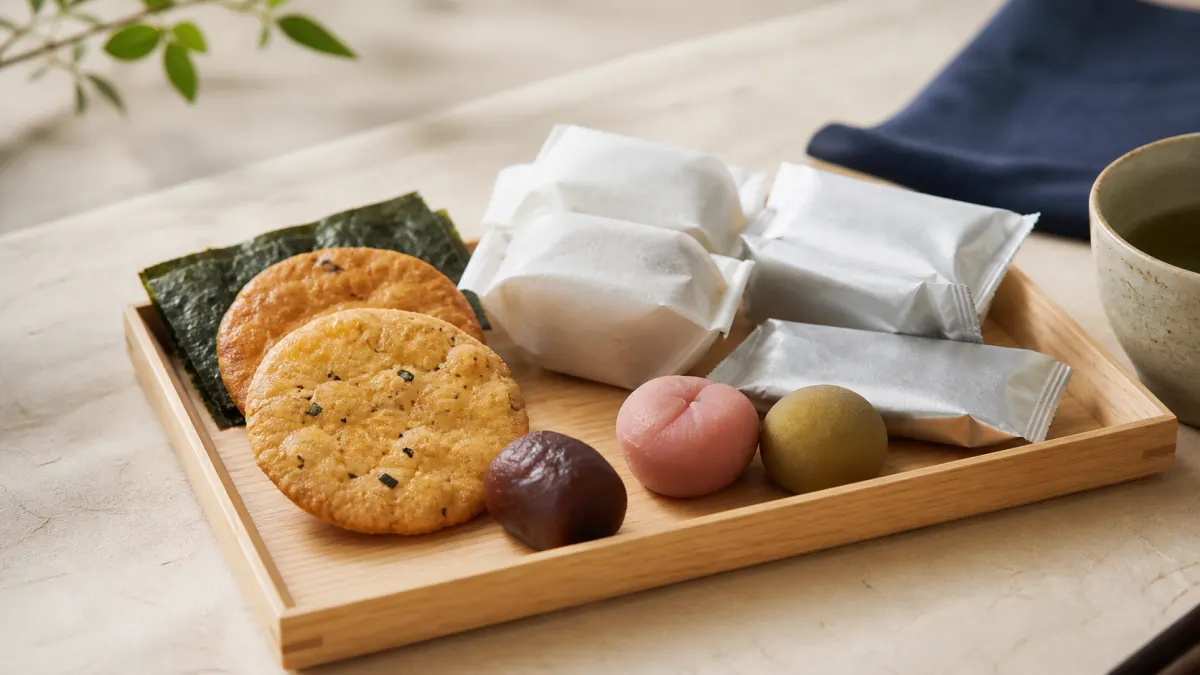
Japanese snacks look like an easy category. The products are inexpensive, instantly recognisable and sell themselves on novelty. The difficulty is entirely operational: the distribution layer is closed to overseas buyers, the shelf life is short relative to sea freight, and the labelling that is perfectly legal in Japan is not legal in your market.
Where the products actually come from
- Major manufacturers sell through layered domestic wholesalers rather than to overseas buyers. Direct accounts exist but are reserved for large domestic customers.
- Regional and local makers produce the items that give an assortment its character. Many have never exported and have no English documentation at all.
- OEM and private-label producers will make your own brand, and are frequently the better route if you intend to build something repeatable rather than resell novelty.
The domestic wholesale platforms that would solve this instantly are built for Japanese retailers, and generally require a Japanese business account and a domestic delivery address. This is the single most common dead end for buyers in this category.
Shelf life is the whole business
Japanese snacks frequently carry short best-before dates by international standards — a matter of months from production for many items, and considerably less for chocolate and anything fresh. Sea freight to Europe or North America takes weeks door to door, and customs clearance adds more. Then your own warehousing and retail sell-through consume what is left.
- Ask for the production date, not only the expiry date. They are different questions and only one of them tells you what you are buying.
- Specify a minimum remaining shelf life on arrival in the purchase agreement. A common commercial term is two thirds or seventy-five per cent of total life remaining at delivery.
- Model the timeline before you order: production, consolidation, sailing, clearance, your warehouse, your channel. If the arithmetic does not leave a sellable window, the price does not matter.
- Air freight rescues specific high-value lines. It does not rescue a general assortment.
This is where most first-time importers in this category lose money. Not on price, and not on a bad supplier — on stock that arrives with too little life left to sell through.
Labelling and compliance for your market
- Allergen frameworks differ. Japan mandates its own specific list; the European Union requires fourteen declared allergens and the United States requires nine. A Japanese label will not satisfy either.
- Labels are in Japanese. You need a compliant destination-language label with correct ingredient, allergen, additive and nutrition declarations, which means obtaining full specifications from the manufacturer rather than translating the pack.
- Additives and colourings diverge. Some permitted in Japan are not permitted in the EU or the US. This is a product-selection question, not a paperwork question.
- Animal-derived ingredients attract extra controls. Products containing meat or dairy face additional import restrictions in many markets, and gelatine in a sweet is enough to trigger them.
Get the full specification sheet for every SKU before you commit to an assortment, not after. Dropping three lines from a pallet because the additives are not approved is much cheaper at the planning stage.
Temperature, seasonality and breakage
- Chocolate and coated products need temperature control through a Japanese summer, and the summer is long and humid.
- Seasonal and limited-edition flavours are produced once. If it sells, you frequently cannot reorder it, which makes them poor anchors for a range.
- Individually wrapped items survive the journey far better than boxed items, which arrive crushed at a rate that surprises new importers.
- Consolidation matters: this category is many SKUs in small quantities, which is precisely the shape of order a consolidator earns their fee on.
Building an assortment that sells rather than one that impresses
The recurring mistake is buying what is exciting in Japan instead of what your channel will reorder. Novelty drives the first order and almost never the second. A durable range is usually a small core of recognisable items that repeat, surrounded by a rotating margin of seasonal product that creates a reason to look again.
That structure also fixes the shelf-life problem, because the core lines are the ones worth negotiating production dates and remaining-life terms on.
Need a Japan-side buyer for a mixed assortment?
GuideTech sources from Tokyo: identifying makers and wholesalers, negotiating in Japanese, collecting full specification sheets for compliance review, and consolidating many small SKUs into one shipment.
Frequently asked questions
Can I use Japanese wholesale platforms from overseas?
Generally not. They are built for Japanese retailers and typically require a Japanese business account and a domestic delivery address. A Japan-side buyer or a trading company is the usual route.
What shelf life should I insist on?
Specify remaining life on arrival rather than total life. Two thirds or seventy-five per cent of total shelf life remaining at delivery is a common and defensible commercial term.
Do I need to relabel Japanese snacks?
In almost every market, yes. Allergen, ingredient, additive and nutrition declarations must comply with your destination rules in the destination language, which requires full specifications from the manufacturer.
Is it cheaper to buy from a Japanese exporter or to source direct?
Direct is cheaper per unit and considerably more expensive in coordination, compliance and consolidation. For a mixed assortment of many SKUs, an exporter or a Japan-side buyer is often the lower total cost.