japanese skincare wholesale suppliers
Japanese Skincare and Cosmetics Sourcing: Wholesale vs OEM
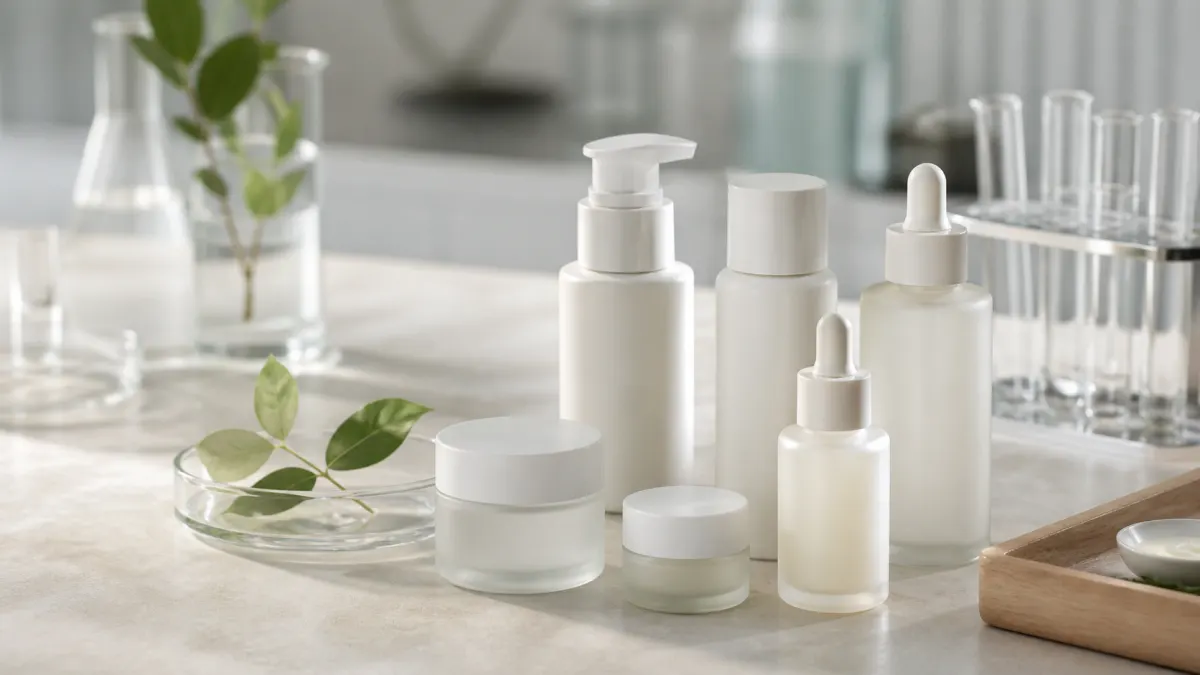
Japanese skincare is one of the strongest sourcing categories for overseas buyers, and one where three quite different businesses get discussed as if they were the same thing. Reselling existing Japanese brands, importing them outside the brand's own channel, and manufacturing your own product in Japan have different economics, different risks and almost nothing in common operationally.
Three different businesses, routinely confused
| Route | What you are buying | Control over product | Entry requirement |
|---|---|---|---|
| Authorised wholesale | Existing Japanese brands, to resell | None | A distributor agreement and an agreed territory |
| Parallel or grey import | The same goods, outside the brand's channel | None | Easy to start, hard to sustain |
| OEM or private label | Manufacturing under your own brand | Full | Formula, minimums, testing and market registration |
Most buyers who ask for wholesale actually want the third one, and most who ask for OEM have underestimated what it costs to get there. Deciding which business you are in is the first useful step.
Why brands restrict overseas wholesale
A Japanese brand that declines your wholesale request is usually not being difficult. It is protecting territory agreements with existing distributors, price and presentation consistency, marketplace listings that get gated when unauthorised sellers appear, and a customer support obligation it cannot discharge in a market it does not serve.
Expect to be asked which markets you sell into, through which channels, and whether you sell on marketplaces. An answer of "everywhere, mainly through marketplaces" is the fastest way to a polite refusal.
Parallel importing is often lawful, but it is structurally fragile: no warranty support, no marketing assets, listings that can be gated at any time, and no protection at all on the day the brand appoints an exclusive distributor in your market. It is a way to test demand, not a foundation to build on.
OEM and private label in Japan
Manufacturing cosmetics in Japan is a licensed activity under the Act on Securing Quality, Efficacy and Safety of Products Including Pharmaceuticals and Medical Devices. The factory needs a manufacturing licence, and the entity that places the product on the Japanese market needs a marketing authorisation. For an overseas brand the practical consequence is usually favourable: if you buy finished goods from a licensed Japanese OEM and export them, the Japanese licensing obligations sit with the manufacturer and the authorisation holder rather than with you. That changes if goods are ever returned into Japan.
- Minimum order quantities commonly fall in the 1,000–3,000 unit range per SKU, with some specialists going lower at a materially higher unit price.
- Lead times of roughly six to twelve months from brief to first shipment are normal once stability testing and packaging tooling are included.
- Stock formulas are fast and cheap but not exclusive to you. Custom formulas are slow and expensive, and whether they are actually yours depends entirely on the contract.
- Packaging is frequently the critical path rather than the formulation. Japanese packaging quality is a genuine selling point and a genuine lead-time problem.
- Settle in writing who owns the formula, what exclusivity applies and for how long, and what happens to the specification if a raw material is discontinued.
Made in Japan does not mean import-ready
The compliance that governs your product is your destination market's, not Japan's. A manufacturer that is fully compliant in Japan may be unable to give you the documentation your own regulator requires.
- EU and UK: product notification, a Responsible Person established in the region, a complete Product Information File, and a safety assessment by a qualified assessor.
- United States: facility registration and product listing obligations introduced under the Modernization of Cosmetics Regulation Act, alongside existing labelling rules.
- Ingredients: some UV filters and other actives permitted in Japan are restricted or unapproved elsewhere, and the reverse is also true. Reformulation after tooling is the expensive version of finding this out.
- Labelling: Japanese-only labelling is not acceptable in most markets. INCI naming, claims rules and language requirements are your responsibility, not the manufacturer's.
Ask the OEM at the first meeting whether they can supply an INCI list, a safety data sheet, allergen and heavy metals data, stability and challenge test results, and a dossier suitable for a European safety report. Some can, comfortably. Many domestic-focused manufacturers cannot, and discovering that after packaging tooling has been paid for is one of the more expensive mistakes in this category.
Verification and cost structure
- Confirm the manufacturing licence and, where relevant, the marketing authorisation — by number, not by assertion.
- Ask which brands they currently produce for. They may not name them, but the shape of the answer is informative.
- Establish whether they have exported before, and to which regulatory regions.
- Budget separately for formulation, stability and compatibility testing, packaging tooling, first production, destination registration and the safety assessment. Buyers who budget only for unit cost are typically out by a wide margin.
- Check the company against the Japanese corporate register and, for a meaningful order, a credit report.
Sourcing J-beauty, or building a brand in Japan?
GuideTech works from Tokyo across both routes: approaching brands for authorised wholesale in Japanese, and identifying and qualifying OEM manufacturers against your regulatory requirements rather than only your price target.
Frequently asked questions
Can I get wholesale pricing on Japanese skincare brands?
Sometimes, but authorised wholesale normally requires a distributor conversation, a defined territory and channel commitments. Brands with existing distributors in your market will usually decline.
Do I need a Japanese licence to make my own brand in Japan?
Generally not, if you buy finished goods from a licensed Japanese manufacturer and export them. The Japanese licensing obligations sit with the manufacturer and the marketing authorisation holder. Your obligations are in your destination market.
What minimum order quantity should I expect for OEM?
Commonly 1,000–3,000 units per SKU, though this varies widely by format and by manufacturer. Packaging minimums are often the binding constraint rather than the formulation.
How long does a private-label project take?
Roughly six to twelve months from brief to first shipment once stability testing and packaging are included. Compressing that usually means using a stock formula and stock packaging.